* Magnitude: Plinian eruptions are far more powerful and release significantly larger volumes of magma and ash than Vulcanian eruptions.
* Duration: Plinian eruptions can last for hours or even days, while Vulcanian eruptions are typically shorter, lasting only minutes to hours.
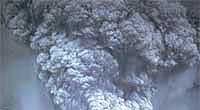
* Eruption column: Plinian eruptions produce massive eruption columns that can reach heights of tens of kilometers, while Vulcanian eruptions have much lower eruption columns.
* Pyroclastic flows: Plinian eruptions often generate devastating pyroclastic flows – fast-moving currents of hot gas and volcanic debris – which can travel at high speeds and incinerate everything in their path. Vulcanian eruptions can also produce pyroclastic flows, but they are typically smaller and slower.
* Ashfall: Plinian eruptions release massive amounts of ash that can blanket vast areas, causing widespread disruption and damage. Vulcanian eruptions also produce ashfall, but it is generally less extensive.
In summary: While both Plinian and Vulcanian eruptions are powerful and dangerous, Plinian eruptions are significantly more destructive due to their greater magnitude, duration, and the potential for devastating pyroclastic flows and widespread ashfall.