Sky:
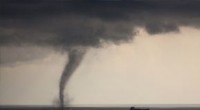
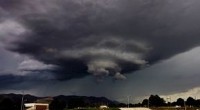
* Darkening or graying skies: This is a common sign that clouds are thickening, indicating the possibility of rain or storms.
* Low-hanging clouds: Especially if they are dark and appear to be moving quickly, this can be a sign of an approaching storm front.
* Unusual cloud formations: Look for shelf clouds (long, low, horizontal clouds that often precede thunderstorms) or mammatus clouds (round, pouch-like clouds that can indicate severe weather).
* Red sky at sunset: Often associated with rain coming from the west.
Wind:
* Increasing wind speed: A sudden shift in wind direction or an increase in wind speed can signal an approaching storm.
* Gusting wind: Strong gusts of wind can indicate turbulent weather.
* Shifting wind direction: If the wind is blowing from a different direction than usual, it could indicate a change in the weather.
Temperature:
* Sudden drop in temperature: A rapid temperature decrease can be a sign of an approaching cold front.
* Increased humidity: The air feels muggy or heavy, which can indicate an approaching storm.
Other Signs:
* Birds flying low: Birds often fly low to the ground before a storm, possibly seeking shelter.
* Animals behaving strangely: Some animals can sense changes in air pressure and may act more agitated or restless before a storm.
* A strong smell of ozone: This sharp, metallic scent can be associated with electrical storms.
* Unusual sounds: You may hear strange noises, like a low humming or rumbling sound, that could be associated with approaching storms.
Important Note: It is important to note that not all of these signs will always be present, and some may be more reliable indicators of foul weather than others. Always stay informed about the weather forecast and be prepared for changing conditions.