1. Erosion and Weathering:
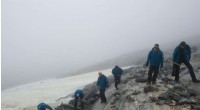
* Glaciation: The Northeast has a long history of glaciation. Massive glaciers, weighing down on the land, carved out valleys and mountains. As they moved, they scraped away existing soil and rock, smoothing out mountain tops.
* Freeze-Thaw Cycles: In cold climates, water seeps into cracks in rocks and freezes. As it expands, it wedges the rock apart, breaking it down into smaller pieces. This process, known as frost wedging, continues to erode mountains over time.
* Rain and Wind: Rain and wind also contribute to erosion. Rain erodes soil and rock, carrying it away. Wind can transport sand and other abrasive particles, further smoothing down mountaintops.
2. Soil Formation:
* Thin Soil: The Northeast's climate and history mean that soil formation is a slow process.
* Cold Temperatures: Cold temperatures slow down the rate of decomposition, which is essential for soil formation.
* Glaciers: Glaciers removed much of the existing soil, leaving behind rocky landscapes.
* Steep Slopes: Steep mountain slopes make it difficult for soil to accumulate as it's easily washed away by rain and wind.
3. Bedrock and Geology:
* Hard Rock: The Northeast is often made up of hard, resistant bedrock. This means that erosion takes a very long time to break it down, leaving rocky outcrops and thin soil layers.
* Rock Type: Different rock types weather at different rates. Some rocks are more easily eroded than others. This can create areas of thin soil on mountaintops.
In Summary:
The rounded mountain tops and thin, rocky soil in the Northeast are a result of a combination of glacial erosion, freeze-thaw cycles, and the slow process of soil formation on hard, resistant bedrock. These geological processes have shaped the unique landscapes of the region.