1. Understanding Environmental Issues and Planning for Sustainability: Geography helps us understand how human activities impact the environment and how environmental changes affect human societies. This is crucial for:
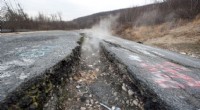
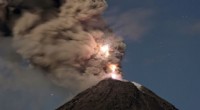
* Predicting and mitigating natural hazards: Studying weather patterns, topography, and geological processes can help us prepare for floods, earthquakes, landslides, and other natural disasters.
* Managing resources sustainably: Geographic information can be used to track and monitor resource use (water, land, energy) and identify potential conflicts or areas where conservation efforts are needed.
* Designing sustainable cities and infrastructure: Understanding the unique characteristics of a place, including its climate, topography, and population distribution, is key to building resilient and livable urban environments.
2. Economic Development and Planning: Geography provides critical insights for understanding regional economic strengths and weaknesses. It helps with:
* Identifying optimal locations for businesses and infrastructure: Understanding factors like transportation networks, proximity to resources, and the local workforce can inform investment decisions.
* Developing tourism strategies: Geography helps identify natural and cultural attractions, assess accessibility, and create targeted tourism campaigns.
* Optimizing resource allocation: Understanding the spatial distribution of resources and populations allows for more effective resource management and development plans.
3. International Relations and Conflict Resolution: Geography plays a vital role in understanding global relationships and conflicts. It helps with:
* Understanding geopolitical dynamics: By analyzing geographical features like borders, access to resources, and strategic locations, we can better understand the drivers of international tensions and alliances.
* Facilitating diplomacy and conflict resolution: Understanding the historical, cultural, and environmental context of a region can be crucial in mediating conflicts and promoting peace.
* Mapping and monitoring humanitarian crises: Geographic information systems (GIS) are used to track the location and needs of displaced populations, distribute aid effectively, and monitor the impact of humanitarian interventions.