1. Silica Content:
* Higher Silica Content = Higher Viscosity: Magmas with a high silica content (like rhyolite and dacite) are more viscous. This is because silica bonds strongly to other elements, creating complex structures that resist flow.
* Lower Silica Content = Lower Viscosity: Magmas with lower silica content (like basalt and gabbro) are less viscous. They have simpler structures and flow more easily.
2. Temperature:
* Higher Temperature = Lower Viscosity: Hotter magma is less viscous. The increased kinetic energy of the molecules weakens the bonds between them, allowing for easier flow.
* Lower Temperature = Higher Viscosity: Cooler magma is more viscous. The bonds between molecules strengthen as the magma cools, making it more resistant to flow.
3. Gas Content:
* Higher Gas Content = Lower Viscosity: Dissolved gases, like water vapor and carbon dioxide, act as a "lubricant," reducing the viscosity of the magma.
* Lower Gas Content = Higher Viscosity: Magmas with lower gas content will be more viscous.
4. Crystal Content:
* Higher Crystal Content = Higher Viscosity: As magma cools, crystals begin to form. These crystals act as obstacles within the magma, making it more viscous and resistant to flow.
5. Mineral Composition:
* Different Minerals = Different Viscosities: The specific types of minerals in the magma also affect its viscosity. For example, the presence of iron oxides can lower viscosity.
6. Pressure:
* Higher Pressure = Lower Viscosity: Increased pressure can force magma to flow more easily.
7. Other factors:
* Water Content: The presence of water in magma can significantly reduce its viscosity.
* Volatiles: Other volatile compounds, like sulfur dioxide, can also impact viscosity.
Consequences of Viscosity:
The viscosity of magma plays a crucial role in volcanic eruptions:
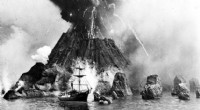
* High Viscosity: Leads to explosive eruptions, as the thick magma traps gas, building pressure until it erupts violently.
* Low Viscosity: Results in effusive eruptions, where the magma flows relatively easily, forming lava flows.
Understanding the factors that affect magma viscosity is essential for predicting volcanic behavior and mitigating volcanic hazards.