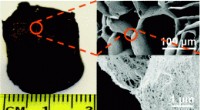
Here's a breakdown:
Rock:
* General term: A solid, naturally occurring mineral or aggregate of minerals.
* Can be many things: Sandstone, granite, limestone, etc.
* Doesn't contain oil: Rocks can contain minerals and other substances, but not oil in a form readily extractable.
Oil Shale Rock:
* Specific type of rock: A sedimentary rock containing a mixture of organic matter (kerogen) and minerals.
* Contains oil: The kerogen is a source of oil, but it's not liquid oil yet.
* Requires processing: To extract the oil, oil shale needs to be heated to high temperatures, a process called "retorting," to convert the kerogen into liquid oil.
In simple terms:
* All oil shale rocks are rocks, but not all rocks are oil shale rocks.
* Oil shale rocks contain oil trapped within their structure, while regular rocks do not.
Think of it like this:
* Rock: A plain, unbaked cake.
* Oil Shale Rock: A fruit cake with oil-rich "fruits" mixed in, but the oil isn't ready to eat yet.
Let me know if you'd like more details on oil shale!