Biotic components of soil include:
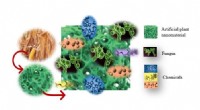
* Living organisms: This includes bacteria, fungi, algae, protozoa, earthworms, insects, and small mammals. These organisms play crucial roles in soil formation, nutrient cycling, and decomposition.
* Decomposed organic matter: This is the remains of dead plants and animals that have been broken down by microorganisms. It provides nutrients and improves soil structure.
Abiotic components of soil include:
* Minerals: These are inorganic compounds that make up the soil's structure. Examples include clay, silt, sand, and rock fragments.
* Water: Water is essential for plant growth and microbial activity.
* Air: Soil contains air spaces that allow for oxygen exchange and root respiration.
* Temperature: Soil temperature affects the rate of chemical reactions and biological activity.
Therefore, soil is a complex ecosystem that is made up of both living and non-living components, making it a complex mixture of biotic and abiotic factors.