1. Topography:
* Orographic Lift: Mountains act as barriers to prevailing winds, forcing air to rise. As air ascends, it cools and condenses, leading to increased precipitation on the windward side of the mountain (the side facing the wind). This is called the orographic effect. The leeward side (the side sheltered from the wind) receives less precipitation, creating a rain shadow.
* Elevation: Higher elevations experience colder temperatures, leading to a higher chance of condensation and precipitation.
* Valley and Basin Effects: Valleys can channel air flow, leading to concentrated precipitation in certain areas. Basins can act as sinks, trapping moisture and resulting in higher precipitation.
2. Proximity to Water Bodies:
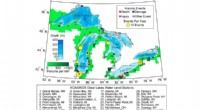
* Lake Effect Snow: Cold air moving over large bodies of water, like the Great Lakes, picks up moisture. When this air reaches land, it cools and releases the moisture as snow, often leading to localized heavy snowfall.
* Coastal Influence: Coastal areas often experience higher precipitation due to the presence of moisture from the oceans, leading to more frequent cloud formation and rainfall.
3. Vegetation:
* Forests: Forests can increase local precipitation by releasing water vapor through transpiration, leading to increased humidity and cloud formation. They can also influence wind patterns, creating microclimates with localized rainfall.
* Urban Heat Island Effect: Urban areas, with their concrete and asphalt surfaces, retain heat and create localized "heat islands." This can lead to increased evaporation and potentially more frequent thunderstorms.
4. Soil Type:
* Soil Permeability: Soil that is less permeable (like clay) holds water and can lead to runoff and localized flooding, influencing the distribution of precipitation.
* Soil Moisture: Soil moisture can influence evapotranspiration, affecting local humidity and cloud formation.
5. Human Activities:
* Irrigation: Human-induced irrigation can increase local humidity and contribute to rainfall in some areas.
* Deforestation: Deforestation can reduce transpiration and lead to a decrease in precipitation, as well as changes in wind patterns and microclimates.
Examples:
* The Windward Side of the Hawaiian Islands: The windward side of the islands receives abundant rainfall due to the orographic effect, while the leeward side experiences a rain shadow with much less precipitation.
* Lake Michigan: The cold air moving over Lake Michigan in winter can lead to heavy snowfall along the eastern shore of the lake, resulting in the "lake effect snow" phenomenon.
In summary, the local geography of a region, including its topography, proximity to water bodies, vegetation, soil type, and human activities, can significantly influence the pattern of precipitation, leading to variations in rainfall amounts and distribution. Understanding these factors is crucial for predicting and managing water resources in different areas.