* Lava flows: As molten rock (lava) erupts from a volcano, it spreads across the landscape, solidifying and creating new layers of rock. This process can build up mountains and islands.
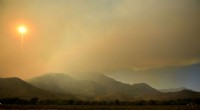
* Ash and Tephra: Volcanic eruptions also release ash and other volcanic debris (tephra). These materials settle on the surrounding land, building up soil layers that can eventually support plant life.
* Formation of new islands: Underwater volcanic eruptions can build up layers of lava and ash until they rise above sea level, creating new islands.
* Enrichment of soil: Volcanic ash and soils are rich in minerals, making them fertile for agriculture. This can lead to thriving ecosystems in areas surrounding volcanoes.
While volcanic eruptions can also be destructive, leading to loss of life and damage to infrastructure, their long-term impact on the Earth's surface is generally constructive. They contribute to the ongoing shaping and formation of the planet.