* Thick and sticky magma: This magma, also called felsic magma, is rich in silica, which makes it very viscous. It flows slowly and traps gases like water vapor and carbon dioxide.
* Trapped gases: As the magma rises to the surface, the pressure decreases, and the trapped gases expand. In thick magma, these gases can't escape easily, building up pressure.
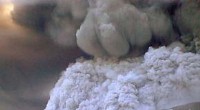
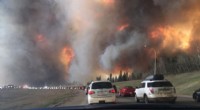
* Explosive eruption: When the pressure finally overcomes the strength of the magma, the gases explode violently, shattering the magma into fragments and sending a massive cloud of ash and rock into the air. This is a characteristic of plinian eruptions.
In contrast:
* Thin and runny magma: This magma, called mafic magma, is low in silica and flows more easily. Gases can escape easily, leading to less pressure buildup and a more gentle, effusive eruption.
Therefore, the thickness of magma is a major factor determining the type of volcanic eruption. Thick, sticky magma leads to more violent, explosive eruptions.