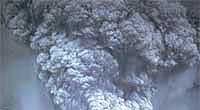
Characteristics of volcanic dust in the atmosphere:
1. Dispersal: Volcanic dust spreads extensively in the atmosphere, often forming a vast cloud that can affect weather patterns and climate on a regional or even global scale.
2. Size and Composition: Volcanic dust particles range in size from tiny fragments of ash to larger rock fragments known as lapilli and blocks. Their composition varies depending on the volcano and eruption type, but commonly include silicon dioxide, aluminum oxide, and other minerals.
3. Effects on Climate: Volcanic dust in the atmosphere can influence the Earth's climate by reflecting sunlight back into space and reducing incoming solar radiation. This cooling effect can lead to global temperature fluctuations and changes in precipitation patterns.
4. Stratospheric Aerosols: Larger volcanic eruptions can propel dust and aerosol particles into the stratosphere, where they persist for longer periods and can have significant impacts on climate.
5. Regional Impact: In the vicinity of volcanic eruptions, the fallout of volcanic ash and dust can have severe local effects, such as crop damage, infrastructure destruction, respiratory issues, and flight disruptions.
6. Natural Hazard: Dense volcanic ash clouds can cause flight hazards and disrupt air travel, sometimes leading to temporary airport closures and flight cancellations.
Volcanic dust in the atmosphere is a natural phenomenon that can have both short-term and long-term consequences, influencing the Earth's climate and affecting various aspects of human activities and ecosystems.