Erosion can have a number of negative impacts on the environment, including:
- The loss of topsoil, which can lead to decreased crop yields and increased desertification.
- The siltation of rivers and lakes, which can reduce water quality and harm aquatic ecosystems.
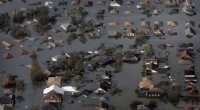
- The deposition of sediment in floodplains and other low-lying areas, which can increase the risk of flooding.
Erosion can also cause damage to infrastructure, such as roads and bridges.
There are a number of things that can be done to reduce erosion, including:
- Using terraces and contour farming to slow down the flow of water and reduce erosion.
- Planting trees and other vegetation to hold the soil in place.
- Using mulch to cover the soil and protect it from wind and rain.
- Building sediment traps and retention basins to catch sediment before it can enter rivers and lakes.
By taking these steps, we can help to reduce the negative impacts of erosion and protect our environment.