These changes in air pressure and wind patterns can cause the movement of air around mountains, which can be perceived as "breathing." For example, when warm air rises up a mountain slope, it can create an updraft, which is a current of rising air. This updraft can cause winds to blow up the mountainside, creating the illusion that the mountain is "inhaling."
Similarly, when cold air descends down a mountain slope, it can create a downdraft, which is a current of descending air. This downdraft can cause winds to blow down the mountainside, creating the illusion that the mountain is "exhaling."
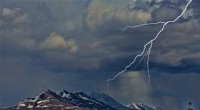
Additionally, mountains can also experience changes in air pressure due to weather conditions. For example, when a storm front approaches a mountain range, it can cause the air pressure to drop, which can lead to increased winds and air movement around the mountains. This can also be perceived as "breathing."
Overall, while mountains do not breathe in the same way that animals or humans do, they can experience changes in air pressure and wind patterns that can create the illusion of "breathing."