Here's why:
* Macromolecules are large complex molecules like carbohydrates, lipids (fats), proteins, and nucleic acids. They are too big to be absorbed directly by cells.
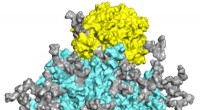
* Enzymes are biological catalysts that speed up chemical reactions. They are highly specific, meaning each enzyme breaks down only a specific type of macromolecule.
* Hydrolysis is the process by which enzymes break down macromolecules. They do this by adding water molecules, breaking the bonds between smaller subunits within the macromolecule.
Here are some examples of enzymes and their corresponding macromolecule breakdowns:
* Carbohydrases (like amylase) break down carbohydrates into simple sugars.
* Lipases break down lipids into fatty acids and glycerol.
* Proteases (like pepsin) break down proteins into amino acids.
* Nucleases break down nucleic acids (DNA and RNA) into nucleotides.
In summary: Enzymes are the key players in breaking down macromolecules, making them small enough for cells to absorb and utilize.