1. Water:
* High boiling point and melting point: The strong hydrogen bonds between water molecules give it a relatively high boiling point and melting point compared to other molecules of similar size. This allows water to remain liquid over a wide range of temperatures, which is essential for life.
* Solvent properties: Water's ability to form hydrogen bonds makes it an excellent solvent for many biological molecules, including sugars, salts, and proteins. This allows for the transport and reaction of these molecules within the body.
2. Proteins:
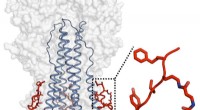
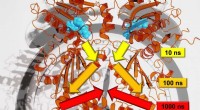
* Secondary structure: Hydrogen bonds between amino acids in the polypeptide chain are responsible for the formation of alpha-helices and beta-sheets, two major elements of protein secondary structure. This structure is crucial for the protein's overall shape and function.
* Tertiary structure: Hydrogen bonds between amino acid side chains contribute to the formation of the protein's three-dimensional structure, also known as tertiary structure. This structure further defines the protein's function and interactions with other molecules.
* Quaternary structure: Some proteins consist of multiple polypeptide chains (subunits), held together by hydrogen bonds, forming a quaternary structure. This arrangement is vital for the protein's activity.
3. DNA and RNA:
* Base pairing: Hydrogen bonds hold the two strands of DNA together, forming the double helix structure. These bonds occur between the nitrogenous bases adenine (A) and thymine (T) and between guanine (G) and cytosine (C). This base pairing is essential for DNA replication and transcription.
* RNA structure: Hydrogen bonds contribute to the folding of RNA molecules into specific structures, which are essential for their diverse functions, including protein synthesis and gene regulation.
4. Carbohydrates:
* Polysaccharide structure: Hydrogen bonds play a role in holding together the long chains of sugar molecules that form polysaccharides, such as starch and cellulose. This structure provides important structural and energy storage functions in cells.
5. Cell membranes:
* Membrane fluidity: Hydrogen bonds between phospholipids, the main component of cell membranes, contribute to the membrane's fluidity, allowing for movement of molecules across the membrane.
6. Enzyme activity:
* Substrate binding: Hydrogen bonds between the enzyme and its substrate can help position the substrate correctly for catalysis, increasing the reaction rate.
7. Biological processes:
* Cell adhesion: Hydrogen bonds between cell surface molecules help cells adhere to each other, forming tissues and organs.
* Protein-protein interactions: Hydrogen bonds are essential for protein-protein interactions, which are crucial for many biological processes, such as signal transduction and regulation of gene expression.
Overall, hydrogen bonds are a vital force in biological systems, contributing to a wide range of important functions, including structure, function, and stability. They are key to the stability of macromolecules, their interaction with other molecules, and the proper functioning of biological processes.