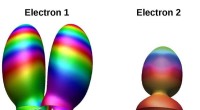
* Valence Electrons: Nonmetals typically have a high number of valence electrons (electrons in the outermost shell). These electrons are tightly bound to the nucleus and are not easily detached.
* Energy Gaps: The energy gap between the valence band (where electrons reside) and the conduction band (where electrons can move freely) in nonmetals is large. This means a lot of energy is required to excite an electron from the valence band to the conduction band, making it difficult for electrons to flow.
* Covalent Bonding: Many nonmetals form strong covalent bonds, where electrons are shared between atoms. This sharing of electrons leads to a more rigid structure with fewer free electrons available for conduction.
In contrast, metals are good conductors because:
* They have loosely held valence electrons that can easily move throughout the material.
* Their energy gap between valence and conduction bands is very small, allowing electrons to move freely with minimal energy input.
In summary: Nonmetals' tightly bound electrons, large energy gaps, and strong covalent bonds limit the movement of electrons, making them poor conductors and excellent insulators.