* Thermostats: In thermostats, the bimetallic strip acts as a switch. When the temperature rises, the strip bends, completing a circuit and turning off the heating system (or turning on the cooling system). When the temperature drops, the strip straightens, breaking the circuit and restarting the heating system.
* Fire Alarms: Bimetallic strips are commonly used in fire alarms. When exposed to heat, the strip bends, triggering a switch that activates the alarm.
* Temperature-Sensitive Switches: Similar to thermostats, bimetallic strips can be used in other temperature-sensitive switches, such as those found in ovens, coffee makers, and other appliances.
* Electrical Relays: Bimetallic strips are used in some electrical relays to open or close circuits based on temperature changes.
* Pressure Gauges: Some pressure gauges utilize bimetallic strips to convert pressure changes into measurable movements.
* Automatic Sprinkler Systems: In some sprinkler systems, bimetallic strips can trigger the release of water when temperatures rise above a certain threshold.
* Toy Mechanisms: Bimetallic strips are found in some toys, like those that move or change shape based on temperature.
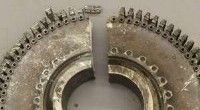
* Watches: Some mechanical watches use bimetallic strips in their balance wheels to compensate for temperature changes.
The specific application of a bimetallic strip depends on the metals used (and their expansion rates), the shape of the strip, and the desired response to temperature changes.