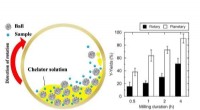
More specifically, this process is called acid dissolution.
Here's why:
* Chemical weathering involves changes in the chemical composition of the rock.
* Acid dissolution is a specific type of chemical weathering where acids react with the minerals in the rock, breaking them down and dissolving them.
Common examples of acid dissolution include:
* Carbonic acid weathering: Rainwater absorbs carbon dioxide from the atmosphere, forming carbonic acid, which can dissolve limestone and other carbonate rocks.
* Acid rain: Industrial pollution releases sulfur dioxide and nitrogen oxides into the atmosphere, which combine with water to form sulfuric and nitric acids, causing significant damage to buildings and monuments.