Here's the chemical reaction:
CoCl₂(aq) + K₂CO₃(aq) → CoCO₃(s) + 2KCl(aq)
Explanation:
* Cobalt chloride (CoCl₂) is a pink-colored solution in water.
* Potassium carbonate (K₂CO₃) is also soluble in water.
* When these two solutions are mixed, the cobalt ions (Co²⁺) from CoCl₂ react with the carbonate ions (CO₃²⁻) from K₂CO₃.
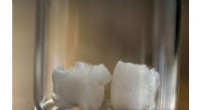
* This reaction forms cobalt(II) carbonate (CoCO₃), which is insoluble in water and thus precipitates out as a pink solid.
* The remaining ions, potassium (K⁺) and chloride (Cl⁻), remain in solution as potassium chloride (KCl), which is soluble.
Additional Notes:
* The color of the precipitate may vary slightly depending on the concentration of the reactants and the conditions of the reaction.
* The reaction is typically carried out in an aqueous solution.
* This reaction is an example of a double displacement reaction, where the cations and anions of the reactants switch places.
Safety Precautions:
* Always handle chemicals with caution, wearing appropriate protective equipment, such as gloves and goggles.
* Work in a well-ventilated area.
* Avoid contact with skin and eyes.
* If any chemicals come into contact with your skin or eyes, flush immediately with plenty of water and seek medical attention.