Here's why:
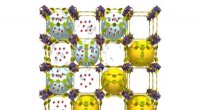
* Definite Structure: Minerals are characterized by a specific, repeating arrangement of atoms or ions in their crystal lattice. This arrangement defines their physical and chemical properties.
* Naturally Occurring: Minerals form through geological processes within the Earth's crust and mantle. They are not man-made.
* Solid: Minerals are solid at standard temperature and pressure.
Examples of Minerals:
* Quartz: SiO2 (silicon dioxide)
* Feldspar: A group of minerals containing aluminum, silicon, oxygen, and often sodium, potassium, or calcium
* Diamond: A crystalline form of carbon
* Gold: Au (elemental gold)
* Halite (Rock Salt): NaCl (sodium chloride)
Important Note: While minerals are naturally occurring solids with definite structures, not all naturally occurring solids are minerals. For example, coal, obsidian, and amber are not considered minerals because they lack a definite crystal structure.