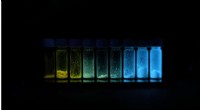
Essential Elements:
* Boron (B): The most defining element of tourmaline. It's present in all varieties.
* Silicon (Si): A crucial element that forms the silicate framework of the mineral.
* Oxygen (O): Abundant, forming the base of the crystal structure and combining with other elements.
* Aluminum (Al): Almost always present, often in significant amounts.
Commonly Found Elements:
* Iron (Fe): Contributes to the color of many tourmalines, often producing brown, black, or green hues.
* Magnesium (Mg): Often present in significant amounts, especially in green varieties.
* Sodium (Na): A common element, contributing to the formation of some tourmalines.
* Calcium (Ca): Can be present in some varieties, often influencing color.
* Lithium (Li): Found in some tourmalines, particularly those with pink or red hues.
* Manganese (Mn): Can contribute to pink, red, or purple colors.
Rare Elements:
* Vanadium (V): Can cause green or blue coloration.
* Chromium (Cr): Contributes to green and red hues.
* Titanium (Ti): Can create yellow or brown colors.
* Fluorine (F): Occasionally present in trace amounts.
The Variety is in the Mix:
The exact proportions and combinations of these elements determine the specific type of tourmaline. For example:
* Schorl: Rich in iron and often black or dark green.
* Dravite: Rich in magnesium and often brown or yellowish-green.
* Elbaite: Contains lithium and is responsible for many of the vibrant colored tourmalines, including pink, red, green, and blue.
The Beauty of Complexity:
The variety of elements present in tourmaline allows for a remarkable range of colors, patterns, and properties, making it a captivating and valuable gem.