Silver is a transition metal with a variety of interesting chemical properties:
1. Reactivity:
* Noble Metal: Silver is a noble metal, meaning it's relatively unreactive compared to other metals like iron or copper. It resists corrosion and oxidation in the atmosphere.
* Reaction with Oxidizing Agents: While resistant to most common oxidizers, silver does react with strong oxidizing agents like nitric acid and concentrated sulfuric acid.
* Reaction with Sulfur: Silver reacts with sulfur and sulfur compounds, forming silver sulfide (Ag₂S), which is black and responsible for the tarnishing of silver.
2. Oxidation States:
* Common Oxidation State: The most common oxidation state for silver is +1, forming compounds like silver chloride (AgCl) and silver nitrate (AgNO₃).
* Less Common Oxidation State: Silver can also exist in the +2 and +3 oxidation states, but these are less common.
3. Formation of Complex Ions:
* Silver Halides: Silver forms insoluble halides (chlorides, bromides, and iodides), which are important in photographic processes.
* Coordination Complexes: Silver ions can form complex ions with ligands like ammonia (NH₃), cyanide (CN⁻), and thiosulfate (S₂O₃²⁻). These complexes are often soluble and have different properties than the simple silver ion.
4. Catalytic Properties:
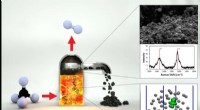
* Silver has catalytic properties in various chemical reactions, such as oxidation reactions and the production of ethylene oxide.
5. Electrical and Thermal Conductivity:
* Excellent Conductor: Silver is an excellent conductor of electricity and heat. This property makes it valuable in electrical and electronic applications.
6. Antimicrobial Properties:
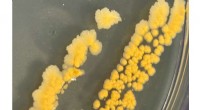
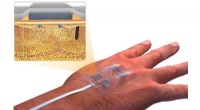
* Oligodynamic Effect: Silver ions exhibit antimicrobial properties, known as the oligodynamic effect, due to their ability to disrupt the metabolic processes of microorganisms. This property is utilized in medical applications and for water purification.
7. Other Properties:
* Ductile and Malleable: Silver is a ductile and malleable metal, allowing it to be easily shaped into various forms like wires and foils.
* High Reflectivity: Silver is highly reflective, particularly in the visible spectrum, leading to its use in mirrors and jewelry.
These are just some of the key chemical properties of silver. Its unique characteristics make it a valuable metal with diverse applications in various industries.