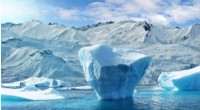
* Ice is water in its solid state. The molecules are tightly packed and held together by strong bonds.
* Heat energy increases the movement of water molecules. As you add heat, the molecules vibrate faster and break free from their rigid structure.
* When enough heat is added, the bonds break completely. This transition from solid to liquid is called melting.
Here are some common ways to melt ice:
* Room temperature: Ice will naturally melt at room temperature because the surrounding air is warmer than the ice.
* Warm water: Placing ice in warm water will transfer heat energy to the ice, causing it to melt faster.
* Sunlight: The sun's rays contain heat energy, which can melt ice.
* Boiling water: Placing ice in boiling water will melt it very quickly due to the high temperature.
Let me know if you'd like more details about the physics behind melting!