Here's why:
* Ionization is the process of gaining or losing electrons, forming charged ions.
* Water freezing is a physical change, not a chemical change. It involves a change in the state of matter (liquid to solid), but the chemical composition of water molecules remains the same (H₂O).
What happens when water freezes:
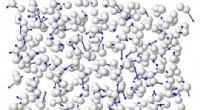
* Water molecules in liquid form are constantly moving and forming temporary hydrogen bonds.
* As water cools, the molecules slow down and the hydrogen bonds become more stable.
* At 0°C (32°F), the water molecules arrange themselves into a crystalline structure, forming ice. This structure is less dense than liquid water, which is why ice floats.
While some ionization can occur in water, it is a separate process from freezing and is influenced by factors like temperature and the presence of impurities.