General Measurement Tools:
* Rulers: Used to measure length or distance in units like inches, centimeters, or millimeters.
* Scales/Balances: Measure mass in units like grams or kilograms.
* Graduated Cylinders/Beakers: Measure volume of liquids in units like milliliters or liters.
* Thermometers: Measure temperature in units like Celsius or Fahrenheit.
* Stopwatches/Timers: Measure time in units like seconds, minutes, or hours.
* Microscopes: Used to magnify tiny objects and observe their structure.
* Telescopes: Used to observe distant objects in space.
Specialized Measurement Tools:
* Spectrophotometers: Measure the intensity of light at different wavelengths, used to analyze substances or measure absorbance.
* pH Meters: Measure the acidity or alkalinity of a solution (pH).
* pH paper: Indicates pH through a color change.
* Oscilloscopes: Visualize and measure electrical signals.
* Voltmeters: Measure electrical potential difference (voltage).
* Ammeters: Measure electrical current.
* Barometers: Measure atmospheric pressure.
* Anemometers: Measure wind speed.
* Hygrometers: Measure humidity.
* Pycnometers: Measure the density of liquids.
* Calorimeters: Measure heat changes in chemical reactions.
Other Tools:
* Pipettes: Used to transfer small, precise volumes of liquids.
* Burettes: Used to deliver precise volumes of liquids in titrations.
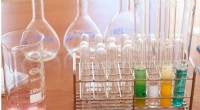
* Erlenmeyer Flasks: Used for mixing and holding liquids.
* Beakers: Used for holding and mixing liquids.
* Test Tubes: Used for holding and reacting small amounts of liquids or solids.
* Petri Dishes: Used for culturing microorganisms.
* Bunsen Burners: Provide a heat source for experiments.
* Funnels: Used for transferring liquids or separating solids from liquids.
* Stirring Rods: Used to mix solutions.
Digital Tools:
* Data Loggers: Record data automatically, often for extended periods of time.
* Sensors: Convert physical measurements into digital signals.
* Software Programs: Analyze data, create graphs, and perform calculations.
This is not an exhaustive list, as new tools and technologies are constantly being developed for scientific measurement.
Key Considerations for Measurement:
* Accuracy: How close a measurement is to the true value.
* Precision: How repeatable a measurement is.
* Units: The standard of measurement used for a particular quantity (e.g., meters, grams, seconds).
* Error Analysis: Understanding and quantifying potential errors in measurement.
Remember, accurate and reliable measurement is crucial for any scientific investigation.