1. Carbohydrates: These are composed of carbon, hydrogen, and oxygen, and their primary function is to provide energy for the body. Examples include sugars (glucose, fructose), starches, and cellulose.
2. Lipids: These are a diverse group of compounds that are generally water-insoluble, meaning they don't dissolve in water. They are important for energy storage, insulation, and cell membrane structure. Examples include fats, oils, waxes, and steroids.
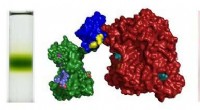
3. Proteins: These are complex molecules composed of long chains of amino acids. Proteins play a crucial role in nearly every biological process, including structural support, enzyme activity, and immune system function. Examples include enzymes, antibodies, and muscle fibers.
4. Nucleic Acids: These are complex polymers composed of nucleotides, which in turn are made up of a sugar, a phosphate group, and a nitrogenous base. They are responsible for storing and transmitting genetic information. Examples include DNA (deoxyribonucleic acid) and RNA (ribonucleic acid).
These four classes represent the building blocks of life and are essential for the proper functioning of all living organisms.