Here are the most common methods for disinfecting water:
1. Boiling:
* How it works: Heat kills most harmful bacteria and viruses.
* Process: Bring water to a rolling boil for 1 minute (at higher altitudes, boil for 3 minutes). Let it cool completely before drinking.
* Effectiveness: Kills most bacteria and viruses, but not all.
2. Chlorine Bleach:
* How it works: Chlorine bleach kills bacteria, viruses, and some parasites.
* Process: Use unscented household bleach (5.25% sodium hypochlorite). Add 16 drops of bleach per gallon of water (or 8 drops per liter). Stir well and let stand for 30 minutes.
* Important: Always use bleach in a clean container. Avoid using bleach if the water is cloudy, as this may reduce its effectiveness.
* Effectiveness: Highly effective against a broad range of contaminants.
3. Iodine Tablets:
* How it works: Iodine tablets kill bacteria, viruses, and some parasites.
* Process: Follow the instructions on the tablet packaging. Typically, you drop a tablet into water and wait for the specified time.
* Effectiveness: Effective against many waterborne pathogens.
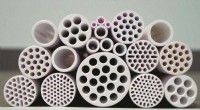
4. Water Filters:
* How it works: Filters can remove sediment, chlorine, and other contaminants. Some filters also contain a disinfectant like iodine or chlorine.
* Process: Use a filter specifically designed for water purification. Follow the manufacturer's instructions.
* Effectiveness: Filters can vary greatly in their effectiveness. Choose a filter that removes the contaminants you are concerned about.
5. UV Light Disinfection:
* How it works: UV light damages the DNA of microorganisms, rendering them harmless.
* Process: Use a UV light purifier specifically designed for water.
* Effectiveness: Highly effective against a wide range of pathogens.
Important Considerations:
* Source of water: The method of disinfection you choose depends on the source of the water and the potential contaminants.
* Safety: Always follow the instructions carefully for any disinfection method.
* Long-term solutions: For consistent access to clean water, consider investing in a water filtration system or a safe water source.
It's always best to consult with local health officials or water treatment experts for advice on the most appropriate disinfection methods for your situation.