Factors Affecting Reaction Rate
* Temperature:
* Increase temperature: Heat speeds up reactions by providing more energy for molecules to collide and overcome activation energy barriers.
* Examples:
* Cooking food: You use heat to speed up the chemical reactions that cook your food.
* Combustion: Burning wood or gasoline relies on heat to initiate and sustain the reactions.
* Decrease temperature: Lowering the temperature slows down reactions because molecules have less energy to collide.
* Examples:
* Refrigeration: Storing food in a refrigerator slows down the chemical reactions that cause spoilage.
* Storing chemicals: Many chemicals are stored at low temperatures to prevent them from reacting too quickly.
* Concentration:
* Increase concentration: Higher concentrations mean more molecules are present, leading to more frequent collisions and a faster reaction rate.
* Examples:
* Burning fuel: A more concentrated fuel (like pure gasoline) will burn faster than a less concentrated fuel (like a fuel-air mixture).
* Enzyme reactions: Higher concentrations of reactants will lead to faster enzyme activity.
* Decrease concentration: Lower concentrations mean fewer molecules are present, reducing the chances of collisions and slowing the reaction.
* Examples:
* Diluting a solution: Diluting an acid will slow down its reaction with a metal.
* Limiting reactants: In a combustion reaction, limiting the amount of oxygen will slow down the burning process.
* Surface Area:
* Increase surface area: Breaking a solid into smaller pieces increases its surface area, giving more places for reactants to collide and react.
* Examples:
* Burning wood: Kindling (small pieces of wood) burns faster than a large log because of the increased surface area.
* Powdered sugar dissolves faster in water than a sugar cube.
* Decrease surface area: Large pieces of solid reactants have less surface area, slowing the reaction down.
* Examples:
* Storage of metals: Metals are often stored in large, solid blocks to prevent rapid oxidation.
* Coal burning: A large lump of coal burns slower than a pile of coal dust.
* Catalyst:
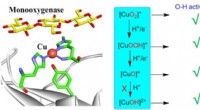
* Add a catalyst: A catalyst speeds up a reaction without being consumed itself. It provides an alternative pathway with a lower activation energy.
* Examples:
* Enzymes: Enzymes are biological catalysts that speed up biochemical reactions in living organisms.
* Catalytic converters in cars: These convert harmful pollutants into less harmful gases.
* Remove a catalyst: Removing a catalyst will slow down a reaction.
* Examples:
* Poisoning a catalyst: Some substances can "poison" a catalyst, making it less effective.
* Removing enzymes: Denaturing enzymes (e.g., with heat) will slow down the reactions they catalyze.
* Pressure (for reactions involving gases):
* Increase pressure: Increasing the pressure of a reaction involving gases forces the molecules closer together, increasing the frequency of collisions.
* Examples:
* Haber process (nitrogen fixation): High pressure is used to favor the formation of ammonia from nitrogen and hydrogen gases.
* Decrease pressure: Decreasing the pressure decreases the frequency of collisions and slows the reaction.
Key Points to Remember:
* Activation Energy: Reactions need a certain amount of energy (activation energy) to start. Factors like temperature and catalysts can lower this energy barrier.
* Collision Theory: Reactions occur when reactant molecules collide with enough energy and in the correct orientation.
Let me know if you'd like a more detailed explanation of any of these factors or have specific chemical reactions in mind!