1. Weathering and Erosion:
* Rain: Rainwater is slightly acidic and dissolves rocks and minerals on land.
* Rivers: These carry dissolved minerals from rocks and soil into the ocean.
* Volcanoes: Underwater volcanoes release minerals like chloride and sodium into the water.
2. Hydrothermal Vents:
* These are openings on the ocean floor where hot, mineral-rich water is released from the Earth's interior.
3. Salt Cycle:
* The sun evaporates water from the ocean, leaving behind salts.
* The evaporated water condenses and falls as rain, replenishing the water cycle.
* This cycle has been ongoing for millions of years, concentrating salts in the ocean.
4. The Ocean is a Closed System:
* Unlike lakes and rivers, the ocean has no outlet for the salts to escape.
5. Dominant Salt:
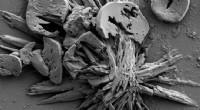
* The most common salt in seawater is sodium chloride (NaCl), which is the same salt we use in our kitchens.
In summary:
* The salty taste of seawater is due to the accumulation of dissolved minerals over millions of years.
* Weathering, erosion, hydrothermal vents, and evaporation contribute to the concentration of salts in the ocean.
* The ocean's vast size and lack of an outlet for salts to escape maintain its salinity.