Here's how it works:
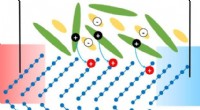
1. Salt dissolves in water: When salt (sodium chloride) is sprinkled on ice, it dissolves in the thin layer of water that naturally forms on the ice's surface.
2. Ions disrupt water molecules: The dissolved salt breaks down into ions (sodium and chloride). These ions interfere with the formation of the regular, crystalline structure that ice needs to remain frozen.
3. Lower freezing point: This disruption makes it harder for water molecules to freeze, effectively lowering the freezing point of the water.
4. Melting the ice: As the freezing point is lowered, the ice begins to melt even if the temperature is below 32°F (0°C).
In short, salt makes the ice melt by lowering the freezing point of water. This process helps to make roads and sidewalks safer by removing the ice and creating a less slippery surface.