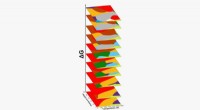
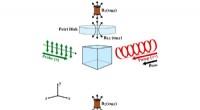
* Water expands when it freezes. The molecules in water arrange themselves in a crystalline structure when frozen, creating more space between them. This makes ice less dense than liquid water, causing it to float.
* Other substances often contract when they freeze. Most substances become more dense when they freeze. This means the solid form is denser than the liquid form, so it sinks.
Examples:
* Frozen mercury: Mercury is a liquid at room temperature but becomes solid at -38.83°C. Solid mercury is denser than liquid mercury, so it sinks to the bottom.
* Frozen alcohol: Most types of alcohol, like ethanol, contract when they freeze. This means frozen alcohol will sink in liquid alcohol.
Why is water so special?
The unusual expansion of water when it freezes is due to the hydrogen bonds between water molecules. These bonds create a rigid, open structure in ice that results in a lower density. This property is essential for life on Earth, as it prevents lakes and oceans from freezing solid, allowing aquatic life to survive.