Solid
* Definition: A state of matter characterized by a fixed shape and volume.
* Key Characteristics:
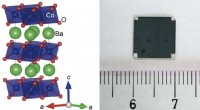
* Rigid structure: Particles are closely packed together in a regular, repeating pattern.
* Strong intermolecular forces: These forces hold particles tightly in place, resisting changes in shape and volume.
* Low compressibility: Solids are difficult to compress due to the close packing of particles.
* Definite shape and volume: Maintains its own shape and takes up a specific amount of space.
Examples: Ice, wood, rock, metal
Liquid
* Definition: A state of matter characterized by a fixed volume but a variable shape.
* Key Characteristics:
* Less rigid structure: Particles are close together but can move around more freely than in a solid.
* Moderate intermolecular forces: The forces are weaker than in a solid, allowing for fluidity.
* Moderate compressibility: Liquids can be compressed to a small extent.
* Definite volume, indefinite shape: Takes the shape of its container.
Examples: Water, oil, mercury, honey
Gas
* Definition: A state of matter characterized by neither a fixed shape nor a fixed volume.
* Key Characteristics:
* Very weak intermolecular forces: Particles are far apart and move freely.
* High compressibility: Gases can be easily compressed because particles are not held close together.
* Indefinite shape and volume: Takes the shape and volume of its container.
* High diffusion rate: Particles spread out quickly throughout their container.
Examples: Air, oxygen, carbon dioxide, helium
Key Differences
The main difference between these states of matter lies in the arrangement and movement of their particles:
* Solids: Particles are tightly packed and vibrate in place.
* Liquids: Particles are close together but can move around.
* Gases: Particles are far apart and move randomly.
This difference in particle behavior leads to the distinct properties we associate with each state of matter.