1. Chemical Reactions: This is the most common way molecules change. Chemical reactions involve the breaking and forming of chemical bonds between atoms. This can lead to:
* Formation of new molecules: Reactants combine to form new products. For example, water (H₂O) is formed from the reaction between hydrogen (H₂) and oxygen (O₂).
* Decomposition of existing molecules: Molecules break down into smaller units. For example, the decomposition of sugar (C₁₂H₂₂O₁₁) into carbon dioxide (CO₂) and water (H₂O).
* Rearrangement of atoms within a molecule: Atoms within a molecule switch positions, resulting in a different isomer. For example, the conversion of glucose to fructose.
2. Energy Input: Energy can be added to molecules, causing them to change. This can take the form of:
* Heat: Adding heat can increase molecular motion and vibrations, leading to bond breaking or formation.
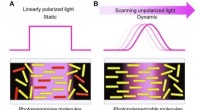
* Light: Light can excite electrons in molecules, leading to chemical reactions or changes in molecular structure.
* Radiation: Exposure to ionizing radiation can break chemical bonds and create reactive species.
3. Environmental Factors: The environment can influence molecular change:
* Temperature: Higher temperatures generally increase the rate of chemical reactions.
* Pressure: Increased pressure can favor reactions that lead to a decrease in volume.
* pH: Acidity or alkalinity can affect the stability of molecules and influence chemical reactions.
* Presence of catalysts: Catalysts can accelerate chemical reactions without being consumed themselves.
4. Biological Processes: Within living organisms, molecules are constantly changing through a series of complex biochemical reactions. This includes:
* Metabolism: A collection of chemical reactions that sustain life, involving the breakdown of molecules for energy and the synthesis of new molecules for growth and repair.
* Enzyme catalysis: Enzymes act as biological catalysts, speeding up specific chemical reactions in the body.
5. Other Factors:
* Mechanical forces: Physical forces, such as pressure or shear stress, can also cause molecular changes.
* Electric fields: Electric fields can influence the distribution of electrons in molecules, affecting their reactivity.
It's important to note that these factors can work in combination to cause molecular changes. For example, heat can increase the rate of a reaction catalyzed by an enzyme. Understanding the specific causes of molecular change is crucial in many fields, including chemistry, biology, medicine, and materials science.