1. Pyruvate Decarboxylase:
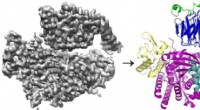
a. Role: Pyruvate decarboxylase is an enzyme involved in the pyruvate dehydrogenase complex, which plays a central role in cellular respiration.
b. Function: It catalyzes the decarboxylation of pyruvate, leading to the release of CO2 and the formation of acetaldehyde or acetyl-CoA.
2. Alcohol Dehydrogenase:
a. Role: Alcohol dehydrogenase is primarily involved in the process of fermentation.
b. Function: This enzyme catalyzes the conversion of acetaldehyde, produced from pyruvate decarboxylation, into ethanol in the absence of oxygen. This generates CO2 as a byproduct.
3. Malic Enzyme:
a. Role: Malic enzyme, also known as malate dehydrogenase (decarboxylating), participates in certain metabolic pathways, including the citric acid cycle and gluconeogenesis.
b. Function: The malic enzyme facilitates the oxidative decarboxylation of malate, resulting in the production of CO2 and the conversion of malate to pyruvate.
4. Isocitrate Dehydrogenase:
a. Role: Isocitrate dehydrogenase (IDH) is an important enzyme in the citric acid cycle (Krebs cycle).
b. Function: IDH catalyzes the oxidative decarboxylation of isocitrate, leading to the formation of CO2, alpha-ketoglutarate, and reducing equivalents in the form of NADH or NADPH.
5. Alpha-Ketoglutarate Dehydrogenase:
a. Role: Alpha-ketoglutarate dehydrogenase is another enzyme in the citric acid cycle.
b. Function: This enzyme complex mediates the oxidative decarboxylation of alpha-ketoglutarate, resulting in the generation of CO2, along with other products essential for energy production.
6. Lactate Dehydrogenase:
a. Role: Lactate dehydrogenase plays a pivotal role in anaerobic metabolism, such as during strenuous exercise or in certain tissues with oxygen deprivation (like skeletal muscles).
b. Function: Lactate dehydrogenase catalyzes the conversion of pyruvate to lactate while simultaneously facilitating the release of CO2.
These enzymes, among others, participate in various metabolic pathways that lead to the production of CO2 as a byproduct during cellular respiration and fermentation. The exact combination of enzymes involved may vary depending on the specific metabolic context and organism.