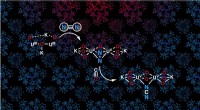
One of the most important roles of sulfur is in the production of proteins. Sulfur atoms are essential for the formation of disulfide bonds, which are covalent bonds that link two sulfur atoms and are crucial for the structural integrity and function of proteins. These bonds help to hold proteins in their correct shape and allow them to carry out their specific functions.
Sulfur is also involved in the synthesis of keratin, a protein that is found in hair, skin, and nails. It helps to give these structures strength and elasticity.
In addition to its role in protein synthesis, sulfur is also involved in several other important bodily functions. It is involved in the metabolism of carbohydrates and fats, the production of energy, and the regulation of fluid balance. Sulfur also helps to protect the body against infection by boosting the immune system.
Deficiency of sulfur is rare, but can occur in people who have a poor diet or who have certain medical conditions. Symptoms of sulfur deficiency can include fatigue, muscle weakness, hair loss, and skin problems.
Good sources of dietary sulfur include meat, fish, eggs, dairy products, nuts, seeds, and legumes.