Chemical Change:
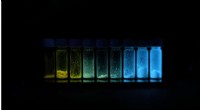
1. Formation of New Substances: Chemical changes result in the formation of new substances with different chemical compositions. This can be observed when there is a change in color, production of gas, formation of a precipitate, or emission of light or heat.
2. Energy Changes: Chemical changes are often accompanied by energy changes, such as the release or absorption of heat or light. Exothermic reactions release energy, while endothermic reactions absorb energy.
3. Irreversibility: Most chemical changes are irreversible. Once a chemical reaction occurs, it is generally not possible to revert the substances back to their original state without further chemical processes.
Physical Change:
1. No Change in Chemical Composition: Physical changes do not alter the chemical composition of the substance. The substance may change its form, size, or state, but it remains the same chemical entity.
2. Reversible: Physical changes are typically reversible. For example, melting ice can be turned back into water by freezing, and stretching a rubber band can be reversed by releasing it.
3. No Energy Change: Physical changes usually do not involve significant energy changes. If there is an energy change, it is often in the form of heat or temperature changes without the formation of new substances.
Here are some specific examples to illustrate the differences:
Chemical Change:
- Burning wood: When wood burns, it undergoes a chemical change by reacting with oxygen in the air. The result is the formation of carbon dioxide, water vapor, and ash. The wood ash has a different chemical composition from the original wood.
- Rusting iron: Iron undergoes a chemical change when it reacts with oxygen and moisture in the air to form iron oxide, commonly known as rust. The rust has a different chemical composition from the original iron.
Physical Change:
- Melting ice: When ice melts, it undergoes a physical change from a solid to a liquid state. The water obtained from melted ice has the same chemical composition as the original ice.
- Boiling water: Water undergoes a physical change when it boils and turns into steam. The steam obtained from boiling water has the same chemical composition as the original water.
By observing these key indicators, such as the formation of new substances, energy changes, and reversibility, you can distinguish between chemical changes and physical changes in matter.