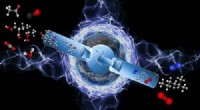
Oxidation is the process of losing electrons, while reduction is the process of gaining electrons. These processes always occur together, and cannot happen independently of each other.
Redox reactions are important in a wide variety of chemical processes, including:
* Combustion: When a fuel burns, it reacts with oxygen to produce carbon dioxide and water. In this reaction, the fuel is oxidized, while the oxygen is reduced.
* Respiration: When we breathe, we take in oxygen and use it to break down glucose for energy. In this reaction, the glucose is oxidized, while the oxygen is reduced.
* Photosynthesis: Plants use sunlight to convert carbon dioxide and water into glucose. In this reaction, the carbon dioxide is reduced, while the water is oxidized.
* Electrolysis: When an electric current is passed through a solution of salt water, the water is split into hydrogen and oxygen. In this reaction, the water is oxidized, while the hydrogen and oxygen are reduced.
Redox reactions are also important in many industrial processes, such as the production of steel, aluminum, and other metals.