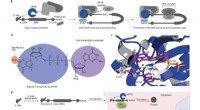
* Enzymes: Enzymes such as catalase, peroxidase, and superoxide dismutase can all catalyze the decomposition of hydrogen peroxide. These enzymes are found in a variety of organisms, including plants, animals, and bacteria.
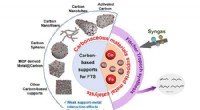
* Metals: Metals such as iron, copper, and manganese can also catalyze the decomposition of hydrogen peroxide. These metals are often present in trace amounts in natural waters and can dissolve from metal containers or pipes.
* Metal ions: Metal ions such as iron(II), copper(II), and manganese(II) can also catalyze the decomposition of hydrogen peroxide. These metal ions are often present in solution as salts or complexes.
The rate of hydrogen peroxide decomposition depends on the concentration of the catalyst, the temperature, and the pH of the solution. In general, the rate of decomposition increases with increasing temperature and pH.