1. Electrolysis of Water
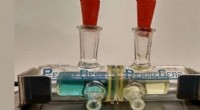
Electrolysis is the process of splitting water into hydrogen and oxygen using electricity. This is done by passing an electric current through water that contains a dissolved electrolyte, such as sodium hydroxide (NaOH) or potassium hydroxide (KOH). The electricity causes the water molecules to split into hydrogen and oxygen atoms, which are then separated and collected.
The overall chemical reaction for the electrolysis of water is:
2H2O (l) → 2H2 (g) + O2 (g)
2. Steam Reforming
Steam reforming is a process in which a hydrocarbon fuel, such as natural gas or methane, is reacted with steam to produce hydrogen. This process is typically carried out in the presence of a catalyst, such as nickel or platinum. The hydrocarbon fuel is first mixed with steam and heated to a high temperature, which causes the hydrocarbon molecules to break down and react with the steam to form hydrogen and carbon dioxide.
The overall chemical reaction for steam reforming is:
CH4 (g) + H2O (g) → CO2 (g) + 3H2 (g)
Steam reforming is a commonly used method for the industrial preparation of hydrogen because it is relatively efficient and can be used with a variety of hydrocarbon fuels.