1. Fumigant: Hydrogen phosphide is primarily used as a fumigant to control pests in stored grains, oil seeds, and other agricultural commodities. It is effective against a wide range of pests, including insects, mites, and rodents. Hydrogen phosphide is applied to the storage area in the form of pellets, tablets, or gas.
2. Rodenticide: Hydrogen phosphide can also be used as a rodenticide to control rodents in burrows, grain elevators, and other enclosed spaces. It is applied in the form of pellets, tablets, or gas.
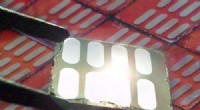
3. Semiconductor industry: Hydrogen phosphide is used in the semiconductor industry to produce certain types of semiconductors, such as gallium phosphide and indium phosphide. These semiconductors are used in electronic devices, such as light-emitting diodes (LEDs) and solar cells.
4. Military applications: Hydrogen phosphide has been investigated as a potential chemical warfare agent due to its high toxicity. However, it has not been widely used due to its lack of persistence in the environment and its high risk of self-poisoning.
5. Chemical synthesis: Hydrogen phosphide can be used as a starting material for the synthesis of various organophosphorus compounds, such as phosphines and phosphites. These compounds are used in a variety of industrial applications, including the production of pesticides, fertilizers, and pharmaceuticals.
Overall, due to its high toxicity, hydrogen phosphide is used only in essential applications where other less toxic alternatives are not effective or available. Strict safety precautions and regulations must be followed when handling hydrogen phosphide to minimize the risk of exposure and poisoning.