The fuel feedstock molecule in question is called furfural, which is derived from biomass and is considered a promising renewable resource. However, furfural is a relatively inert molecule and does not readily react with catalysts, which are materials that facilitate chemical reactions.
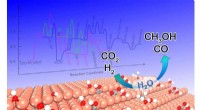
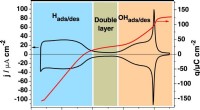
The scientists used a combination of experimental techniques and computational modeling to understand how furfural molecules interact with a model catalyst surface made of platinum nanoparticles. They found that the furfural molecules tend to adsorb on the surface of the catalyst in a flat orientation, which makes them less reactive.
To overcome this challenge, the scientists introduced a small amount of oxygen to the system. The oxygen molecules reacted with the catalyst surface, creating a more reactive site for the furfural molecules to adsorb. This allowed the furfural molecules to form a more upright orientation on the catalyst surface, which made them more reactive and more likely to undergo chemical reactions.
The findings of this study provide valuable insights into the behavior of furfural on catalyst surfaces and suggest potential strategies for improving the reactivity of biomass-derived feedstocks. This could lead to the development of more efficient and sustainable fuel production processes, as well as the production of other valuable chemicals from renewable resources.