Russia's vast stockpile of chemical weapons presents a significant threat to global security and environmental well-being. These deadly substances, developed during the Cold War era, pose immense risks due to their toxicity, persistence in the environment, and potential for use in terrorist attacks. Addressing this challenge requires innovative and effective strategies, and here, microbes emerge as promising allies in the fight against chemical weapons.
Biodegradation: Nature's Cleanup Crew
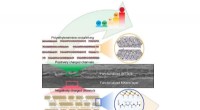
Microorganisms have a remarkable ability known as biodegradation, which enables them to break down complex organic compounds, including chemical warfare agents, into harmless substances. This natural process harnesses the metabolic capabilities of microbes to convert hazardous chemicals into simpler, non-toxic forms. It effectively detoxifies the environment, reducing the risks associated with chemical weapons.
Harnessing Microbial Diversity
The microbial world is incredibly diverse, encompassing a vast array of microorganisms with diverse metabolic capabilities. Scientists have been actively exploring and isolating specific microbial strains that exhibit high efficiency in degrading chemical warfare agents. By leveraging this microbial diversity, researchers can develop tailored biodegradation strategies to target different types of chemical weapons.
Field Applications: Success Stories
Real-world examples demonstrate the successful use of microbes in field applications. In 2017, a team led by the U.S. Defense Threat Reduction Agency (DTRA) successfully employed microbes to degrade VX nerve agent at the former Soviet chemical weapons storage facility in Pochep, Russia. The microbial treatment resulted in a 99% reduction in VX levels within the contaminated soil.
Another notable example is the use of microbes to clean up chemical weapons dumped into the Baltic Sea during World War II. Researchers identified bacterial species capable of degrading mustard gas, a persistent chemical warfare agent present in the sea. These bacteria were then used in bioremediation efforts, contributing to the reduction of mustard gas contamination in the marine environment.
Challenges and Future Prospects
While biodegradation offers a promising approach to addressing chemical weapons, challenges remain. The degradation rates of certain chemical agents can be slow, necessitating further research to enhance microbial efficiency. Additionally, effective delivery methods are crucial to ensure that microbes reach the contaminated areas effectively.
Despite these challenges, the potential benefits of microbial remediation are significant. By harnessing the power of microbes, scientists can provide cost-effective, environmentally friendly, and sustainable solutions to the problem of chemical weapons. Continued research and development in this field hold great promise for mitigating the risks associated with these dangerous substances.