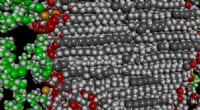
GABAA receptors are responsible for the sedative effects of alcohol. When alcohol binds to these receptors, it slows down the activity of the brain, leading to impaired coordination, slurred speech, and other symptoms of intoxication. The researchers found that people with higher levels of GABAA receptors in their brains are more likely to experience these symptoms after drinking alcohol.
The study, published in the journal Nature Neuroscience, could lead to new treatments for alcohol abuse and addiction. By targeting GABAA receptors, it may be possible to develop drugs that can reduce the intoxicating effects of alcohol and help people to drink less.
"Our findings provide a new insight into the neurobiology of alcohol intoxication," said Rao. "This knowledge could lead to the development of new medications that could help people to control their drinking and reduce the risks of alcohol abuse and addiction."
The research team studied a group of healthy volunteers who were given alcohol to drink. The participants were then asked to perform a series of tasks that tested their coordination, balance, and reaction time. The researchers found that the participants who had higher levels of GABAA receptors in their brains were more likely to make mistakes on these tasks.
The researchers also found that the levels of GABAA receptors in the brains of the participants were associated with their family history of alcoholism. People who had a family history of alcoholism were more likely to have higher levels of GABAA receptors and were also more likely to experience the intoxicating effects of alcohol.
"These findings suggest that genetics may play a role in a person's sensitivity to alcohol," said Rao. "People who have a family history of alcoholism should be aware that they may be more likely to experience the intoxicating effects of alcohol and should take precautions to avoid drinking too much."
The research team is now conducting further studies to investigate the role of GABAA receptors in alcohol abuse and addiction. They are also developing new drugs that could target these receptors and help people to control their drinking.