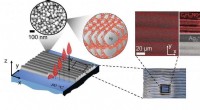
Sodium ion channels are tiny pores in the cell membrane that allow sodium ions to flow into and out of the cell. This flow of ions is essential for electrical signaling in the heart, brain, and other tissues. However, when sodium ion channels are overactive, they can cause electrical disturbances that can lead to heart arrhythmias, seizures, and other neurological disorders.
In the new study, published in the journal Nature Structural & Molecular Biology, the researchers used X-ray crystallography to capture the structure of a sodium ion channel in the presence of calcium ions. They found that calcium ions bind to a specific site on the channel, causing it to change shape and block the flow of sodium ions.
"This is the first time that we've been able to see how calcium ions block sodium ion channels in such detail," said study lead author Dr. Yifan Cheng. "This finding could help us develop new drugs that target this interaction and treat diseases caused by overactive sodium ion channels."
The researchers also found that the binding of calcium ions to the sodium ion channel is influenced by the surrounding environment. For example, the presence of other ions, such as potassium ions, can affect the strength of the interaction between calcium ions and the channel.
"This suggests that the activity of sodium ion channels can be modulated by the cellular environment," said Cheng. "This could have important implications for understanding how sodium ion channels contribute to diseases such as heart arrhythmias and epilepsy."
The researchers plan to continue studying the interaction between calcium ions and sodium ion channels in order to develop new drugs for treating diseases caused by overactive sodium ion channels.