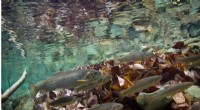
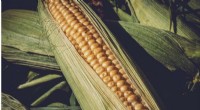
Hemera Technologies/PhotoObjects.net/Getty Images
Plants and animals work in a finely tuned dance, each providing what the other needs. The waste of one often becomes the resource of the other, creating a seamless loop of life.
During photosynthesis and respiration, four key molecules are recycled:
However, not all substances produced in cellular respiration are recycled. Some are considered waste, although they can still find uses in other contexts.
Plants capture sunlight to build food from atmospheric CO₂. In the first stage, the light reactions harvest energy and release O₂. The second stage, the dark reactions (Calvin cycle), use ATP and NADPH from the light stage to fix CO₂ into glucose.
The overall reaction is:
6 CO₂ + 6 H₂O + Light Energy → C₆H₁₂O₆ + 6 O₂
In eukaryotes, glucose is fully oxidized to generate ATP. The process comprises four major phases:
The complete aerobic reaction is:
C₆H₁₂O₆ + 6 O₂ → 6 CO₂ + 6 H₂O + 36–38 ATP
When oxygen is scarce or unavailable, cells resort to fermentation, converting pyruvate into by‑products that are not recycled in the same pathway.
These by‑products illustrate that even the most efficient biological systems have outputs that are not immediately reused, yet they play crucial roles beyond the cell.