EzumeImages/iStock/Getty Images
Our bodies are built from trillions of cells—over 200 distinct types that form organs, bones, muscles, and the nervous system. While every cell shares common features, such as a selectively permeable membrane and internal organelles, neurons differ fundamentally in structure, function, and replication, according to the National Institute of General Medical Sciences.
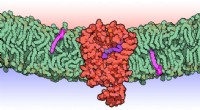
Every cell is bounded by a lipid bilayer with embedded proteins that regulate transport. Neurons, however, are wrapped in a fatty myelin sheath that insulates axons and accelerates electrical conduction. Visually, typical cells are small and range from oval to irregular shapes, whereas neurons consist of a soma, branching dendrites that receive signals, and a single long axon that sends impulses to other neurons.
Standard body cells perform specialized, autonomous tasks—cardiomyocytes contract to pump blood, hepatocytes filter toxins, and keratinocytes create a protective skin barrier. Neurons, in contrast, function as a network: they release neurotransmitters that activate downstream cells, coordinating movement, sensation, and conscious thought. This intercellular communication gives the nervous system its global regulatory role.
Most somatic cells divide via mitosis to replace damaged or aged cells. Neurons, however, are largely post‑mitotic; they rarely divide after maturation. Consequently, injuries to the brain or spinal cord can be devastating, as highlighted by the University of Arizona Biology Department.