Duncan Smith/Photodisc/Getty Images
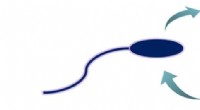
When most people picture fertilization, they imagine cartoonish sperm darting toward an egg, colliding, and instantly creating life. In reality, the process is a series of meticulously coordinated steps that unfold over several hours and involve complex biochemical interactions.
After ejaculation, about 180 million sperm undergo hyperactivation, preparing them for the swim toward the egg. The sperm penetrate the zona pellucida, trigger egg activation, and fuse with the egg’s plasma membrane. The resulting pronuclei merge, forming a zygote that can develop into a human baby.
Within the first few hours after ejaculation, sperm must shed excess proteins and reorganize their plasma membranes. This hyperactivation increases motility and enables the sperm to navigate the female reproductive tract. Only a small fraction of the 180 million sperm reach the vicinity of the egg, but those that do are primed for interaction.
The egg’s outer coat, the zona pellucida, contains specific sperm receptors. When a sperm reaches the egg, it attaches to these receptors and releases enzymes from its acrosome. These enzymes digest a path through the zona, allowing the sperm’s tail to propel it toward the egg’s plasma membrane.
Fusion of the sperm’s plasma membrane with the egg’s marks a pivotal moment. It initiates the zona reaction—hardening the zona pellucida and preventing polyspermy—and triggers egg activation, a cascade of rapid metabolic changes and completion of meiosis. These events prepare the egg for the incorporation of the sperm’s genetic material.
Upon entry, the sperm head releases its chromatin into the egg’s cytoplasm. The sperm and egg pronuclei each condense, bringing their chromosomes into alignment. This pairing initiates the first mitotic division and establishes the zygote’s genetic blueprint.
The newly formed zygote begins a series of rapid cell divisions, eventually forming a blastocyst that will implant in the uterus. With each division, the embryo’s potential to become a full‑grown human continues to unfold.