Bogdanhoda/iStock/GettyImages
The cell cycle comprises three preparatory stages that precede mitosis, collectively known as interphase. These phases—G1 (Gap 1), S (Synthesis), and G2 (Gap 2)—are essential for growth, DNA duplication, and organelle biogenesis, while built‑in checkpoints guard against errors before cell division.
Immediately after cytokinesis, cells enter the G1 phase. Here, protein synthesis ramps up to expand the cytosol—the aqueous interior that houses enzymes and structural proteins. This growth phase also drives water uptake, increasing cell volume. In mammalian cells, the protein concentration in the cytosol averages roughly 100 mg ml⁻¹.
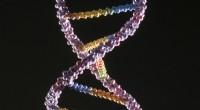
During S phase, the cell duplicates its entire genome. DNA replication is a complex, protein‑rich process; the machinery must also produce new histone proteins that package the newly synthesized DNA. The simultaneous synthesis of DNA and histones ensures that chromatin remains properly organized. Inhibition of DNA synthesis, for example with aphidicolin, automatically halts histone production, underscoring their tight coupling.
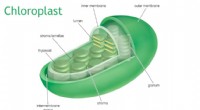
In G2, the cell readies itself for mitosis. With DNA already replicated, the focus shifts to duplicating organelles—mitochondria, chloroplasts, and other discrete structures—so that each daughter cell receives the necessary components. This phase also allows the cell to fine‑tune the cytoskeleton and membrane composition in preparation for division.
Interphase checkpoints serve as quality control checkpoints that verify successful completion of each preceding phase. The G1‑S checkpoint confirms that the cell has sufficient energy and that its DNA is intact before proceeding to replication. The S‑phase checkpoint monitors replication fidelity, ensuring no breaks or mismatches occur. Finally, the G2‑M checkpoint reassesses DNA integrity and overall cellular readiness before the onset of mitosis.