Comstock/Stockbyte/Getty Images
The term macro derives from the Greek word for “big,” and macromolecules indeed stand out for both their size and their indispensable roles in life. These four classes—carbohydrates, proteins, lipids, and nucleic acids—are polymers built from repeating subunits that come together to form functional macromolecules. Each subunit, and each resulting polymer, has a specific chemical name that reflects its structure and function.
The foundational unit of carbohydrates is the simple sugar glucose. Variations in how glucose molecules link together give rise to distinct polysaccharides. For instance, α‑1,4‑glycosidic bonds produce amylose, while a mixture of α‑1,4 and α‑1,6 bonds yields amylopectin, both of which are key components of starch. In plants, the backbone of cellulose—composed solely of β‑1,4‑linked glucose units—provides structural rigidity to cell walls.
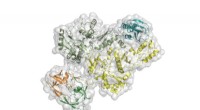
Proteins are assembled from 20 standard amino acids, including glycine, leucine, and tryptophan. The sequence of these amino acids determines a protein’s unique chemical name and its biological role. Examples of well‑known proteins include keratin, which forms the structural framework of hair, and collagen, the primary collagenous protein in tendons and connective tissues.
Lipids, commonly referred to as fats, are triglycerides—molecules formed when glycerol links three fatty acid chains through ester bonds. The fatty acids themselves are long hydrocarbon chains capped with a carboxyl group, and their saturation level influences the lipid’s physical properties.
DNA (deoxyribonucleic acid) and RNA (ribonucleic acid) are the most familiar nucleic acids. Each nucleotide subunit comprises a phosphate group, a five‑carbon sugar (deoxyribose in DNA, ribose in RNA), and a nitrogenous base—adenine, thymine (DNA), cytosine, guanine, or, in RNA, uracil. These building blocks polymerize into strands that store genetic information and guide protein synthesis.