Here's why:
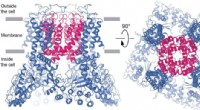
* Electron Transport Chain: The inner mitochondrial membrane is the site of the electron transport chain, a crucial process for ATP production. This chain is responsible for creating the proton gradient that drives ATP synthase, the enzyme that generates ATP, the energy currency of cells.
* Cristae: The inner mitochondrial membrane is folded into cristae, which significantly increase its surface area. This allows for more efficient electron transport and ATP production.
* Mitochondrial Matrix: The inner mitochondrial membrane encloses the mitochondrial matrix, which contains enzymes and other molecules necessary for the citric acid cycle (also known as the Krebs cycle). This cycle is essential for breaking down carbohydrates and generating the electron carriers (NADH and FADH2) that fuel the electron transport chain.
In summary: The inner mitochondrial membrane provides the structural framework for the key processes of ATP production, namely the electron transport chain and the citric acid cycle. Without it, mitochondria would be unable to produce new molecules essential for cellular function.